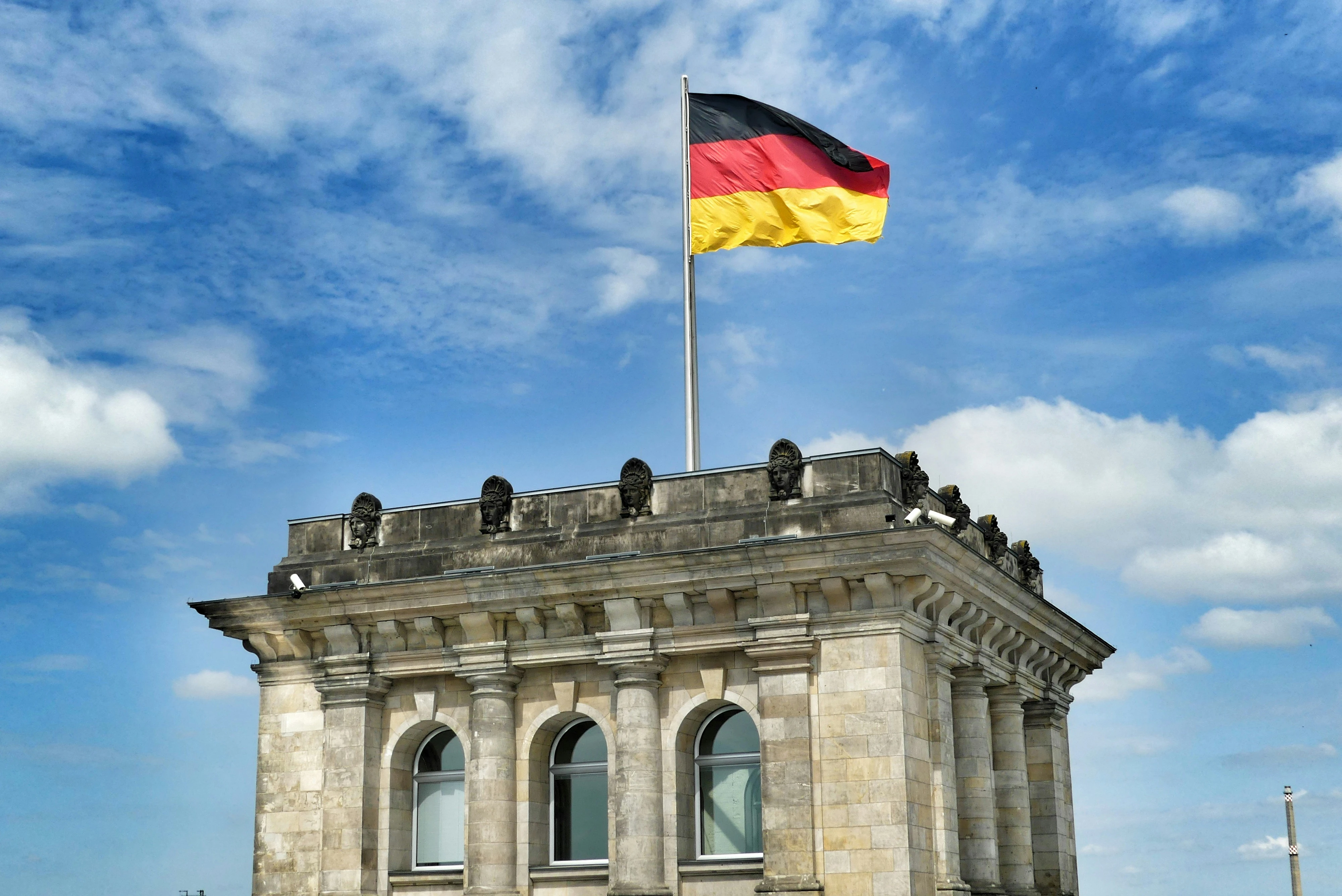
Germany stands out as a powerhouse in Europe, offering a robust job market, rich history, and endless travel opportunities. For those blending work with exploration, it’s a dream destination—think freelancing in Berlin’s creative scene or weekend trips to Bavaria’s castles. Understanding Germany’s visa options and job landscape is essential to get started.
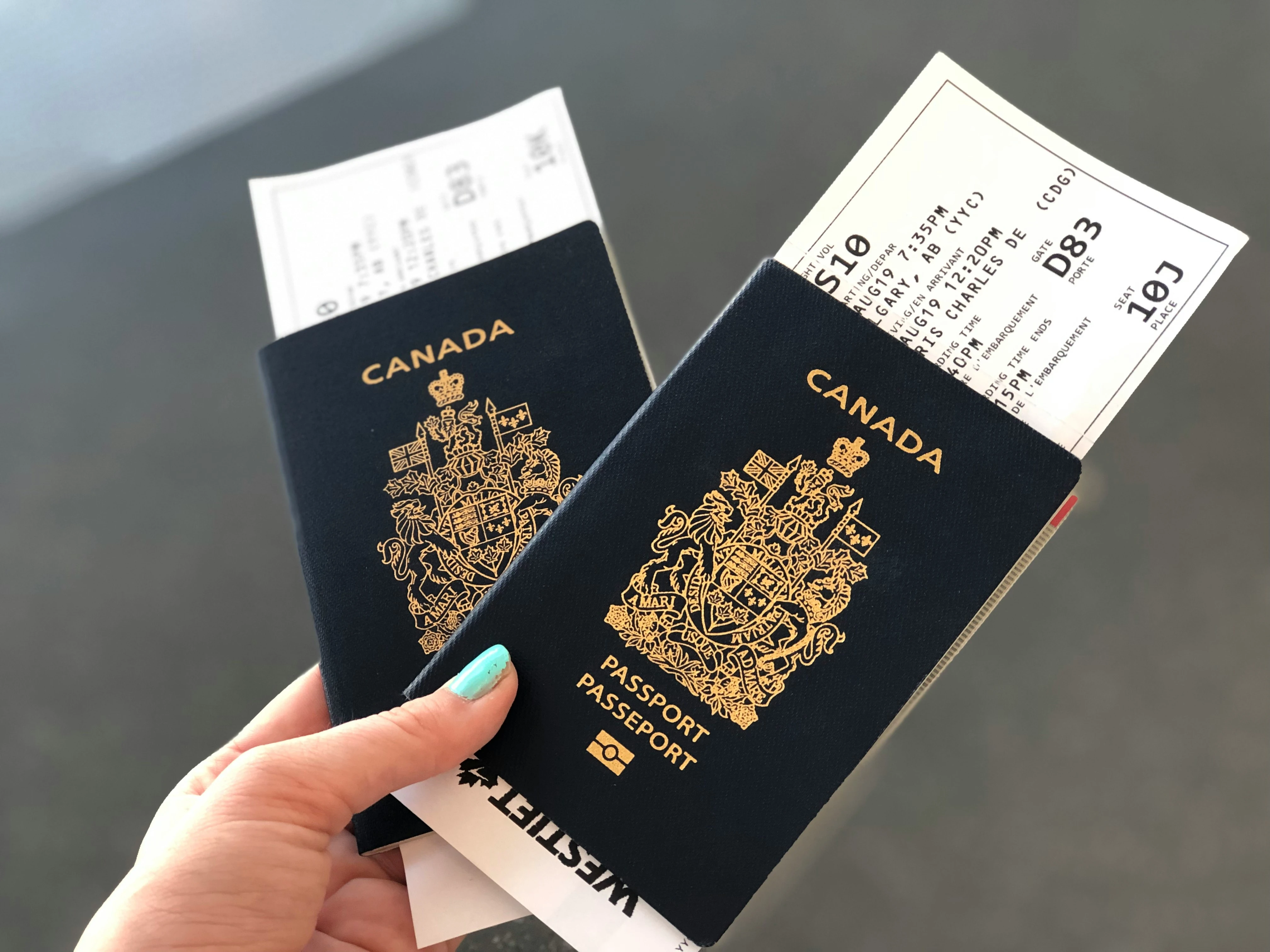
Tourists from many countries enter Germany visa-free for 90 days within a 180-day period under the Schengen Agreement, perfect for scouting opportunities. To work, the Freelance Visa (Aufenthaltsgenehmigung für selbständige Tätigkeit) is a gem for digital nomads, artists, or consultants. It requires proof of clients, a business plan, and savings (around €9,000), with costs of €100 and processing in 2-4 months. Alternatively, the EU Blue Card targets skilled workers like engineers or IT specialists, needing a job offer with a minimum salary of €58,400 annually (or €45,552 in shortage occupations).
Germany’s job market thrives. Berlin’s tech startups seek developers and marketers, paying €50,000-80,000 yearly, while Munich’s automotive giants like BMW hire engineers. Freelancers in design or writing can earn €30-60 hourly, leveraging platforms like Upwork or local networks. Job boards like StepStone and Xing are key, and a CV with a professional photo aligns with German norms.
Visa applications need precision—submit via the German embassy with financial proof and health insurance (around €100 monthly). Living costs vary: Berlin averages €1,200-1,800 monthly, while rural areas drop to €1,000. Budget travelers can housesit or work in hostels, cutting expenses while exploring the Black Forest or Rhine Valley.
Travel perks abound. Germany’s central location means cheap trains to Paris or Prague, with a Deutschlandticket (€49 monthly) covering local transport. Visit Oktoberfest, Neuschwanstein Castle, or Hamburg’s harbors—each a short trip from work hubs. Food like schnitzel or pretzels costs €10-15, keeping adventures affordable.
Networking via Meetup or LinkedIn is vital, especially for freelancers building local ties. Long-term, the Permanent Residence Permit after 21 months with a Blue Card offers stability. Germany blends career growth with European escapades, making it ideal for work-travel enthusiasts.
Comments: